Each approved game is further constrained by a $2.00 maximum wager per play and an $800 ceiling on the largest single prize. Those numbers sit inside a regulatory coil that covers licensing, return percentages, a machine tax, and even the hours a screen can light up.
Who May Offer the Machines
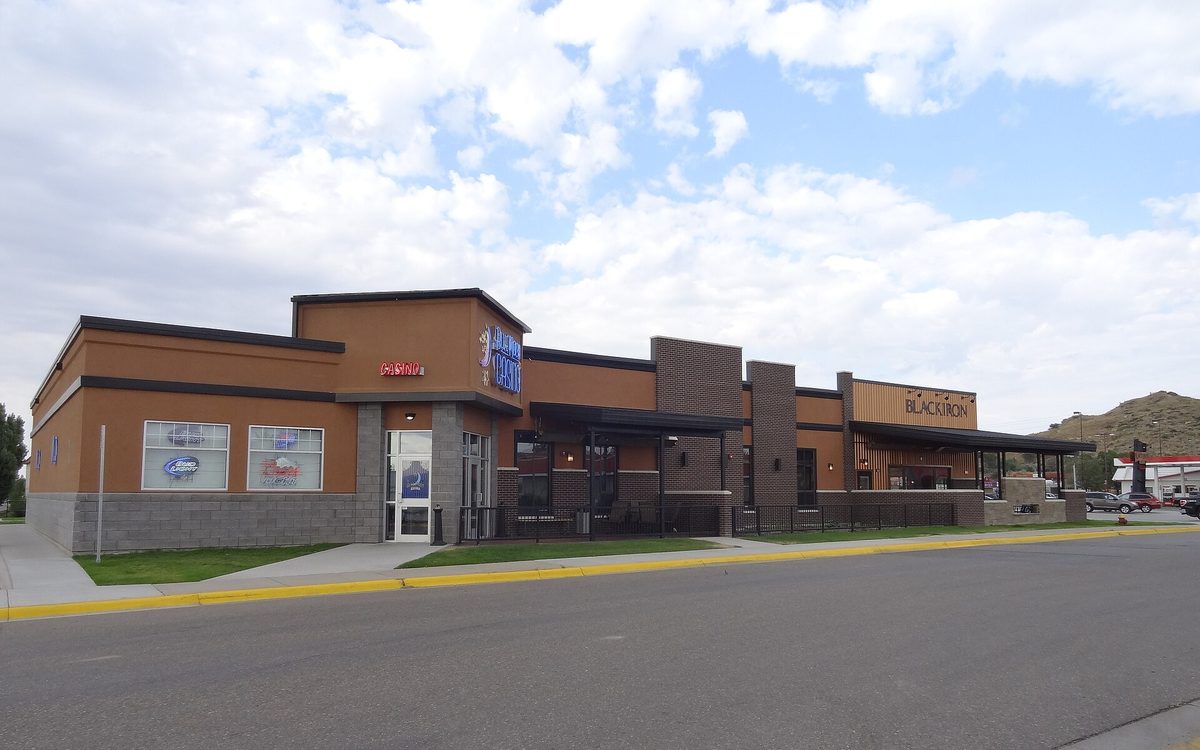
Video gambling machines in Montana are permitted only on premises that already hold the appropriate alcoholic beverage license. That license alone is not enough. The person who wants to operate the machines must also carry a gambling operator’s license issued by the Division, and a separate video gambling machine permit must be in place for the specific location. The permit ties the machines to that address, making it a site-specific privilege rather than a portable add-on.
Even when every license and permit is current, a gambling operator is limited to making no more than 20 machines available at any one time on the licensed premises. That ceiling is a maximum, not a guarantee that a bar will run that many. Some venues stock far fewer, whether because of floor space, lease terms, or a deliberate choice. The Division’s materials are explicit: the cap belongs to the operator, and it counts every permitted machine in the location.
The Limits on a Single Play
Approved game types—bingo, poker, keno, video line, and multigame consoles that combine them—all operate under the same dollar limits. A player may not wager more than $2.00 on a single game. Whatever the outcome, the machine cannot award more than $800 per game. Those figures are per-game, not per-session. A $2 bet that launches a free-spin cascade or a bonus round cannot yield a prize beyond $800; the state’s approval process prohibits any configuration where it could.
The $800 maximum is not an average payout, a jackpot target, or a promise that a particular machine can ever deliver that sum. It is simply the highest single-game award the Division certifies. A machine that could theoretically pay more would not be legal in Montana.
What the Return Percentage Really Means
Every video gambling machine approved for play must return at least 80% of all money wagered over its lifetime, a figure the Division calls the theoretical return percentage. Video line games carry an extra ceiling: they cannot exceed 92%. The calculus includes free games and bonus features, so a terminal that throws a lot of bonus play stays within the same percentage corridor that a comparatively plain machine does.
The word “theoretical” is the one that matters. It describes a mathematical expectation embedded in the software, audited before a machine is permitted and checked when the game file is updated. It does not describe what any single player will walk out with. A patron who feeds a machine $100 might leave with $50, $600, or nothing. The 80% floor does not apply to an evening, a weekend, or a run of bad luck. It is a regulatory tool the state uses to constrain the machine owner’s take, not a warranty handed to the customer.
The state’s official FAQ, updated May 12, 2026, puts the percentages plainly while noting that they count free games and bonus games. A player who wants to understand what that means should read them not as a near-term forecast but as the machine’s long-run architecture.
How the State Taxes Machine Income
Beyond the bet and award limits, every permitted machine generates a tax liability. Montana levies a 15% tax on each machine’s gross machine income. The Division defines gross machine income as total receipts—every bill and coin that goes in—minus the cash payouts the machine dispenses. That definition sweeps up all intake, including money that cycles through as wins before a player cashes out.
This tax is a calculation between the machine owner and the state. It is not applied to an individual wager or to the $800 maximum award; it is figured on the net hold after payouts. The 2019–2020 biennial report from the Gambling Control Division confirms the structure, and the same formula appears in the Division’s gambling statutes and rules materials. Machine owners report and remit the tax on a schedule determined by the Division.
Where to Confirm the Rules
Anyone who operates or plays a machine should verify the current rules against the Division’s own posted materials, not against a machine’s help screen or a barkeep’s memory. The Division maintains several resources that are updated regularly: a FAQ that covers bet and award limits, return percentages, and the operating hours rule; a licenses and permits page that outlines who needs which credential; and a complete set of statutes and rules, available as a PDF, that lists every authorized game type—bingo, poker, keno, video line, and multigame.
The FAQ states that video gambling play is generally prohibited between 2 a.m. and 8 a.m. That rule applies unless the local government where the machine is played has adopted an ordinance authorizing all-night play. So a machine that shuts off at 2 a.m. in one county might still run through the night in the next, depending on the municipal code.
The Division also publishes searchable listings of actively licensed gambling businesses and machine listings, updated regularly. The listings let the public check whether a particular location or operator is licensed. When a dispute cannot be resolved with the machine owner—a payout problem, a malfunction, a suspicion of tampering—the FAQ directs players to contact the Division directly. The Division’s customer complaint channels are listed in its materials, though the FAQ does not promise timelines for resolution.
For a Montanan seeking the verbatim rules before setting up a terminal, the Division’s website at dojmt.gov/gambling holds the official FAQ, the full statutory framework, and the active machine rosters. The limits are fixed: a 20-machine cap, a $2 bet maximum, an 80% floor, a 92% ceiling for line games, a 15% tax, and a default early-morning shutdown. The Division’s published answers are more reliable than a summary printed on a machine label, and they are the only version that matters when a player or an operator needs the law.