Sports pools, which include the square sheet, may be conducted only by a licensed gambling operator. They must occur on premises that hold an on-premises alcohol license. Poker runs and Calcutta pools sit inside their own dedicated rule subchapters, and neither gets the pass that the state gives to social card games. The category you fall into, not the size of the stakes, determines whether you are running a lawful pool or an unlawful gambling operation.
Start with the category, not the label
Montana does not hand out a blanket “small-stakes” exception. Title 23, chapter 5 of the Montana Code Annotated splits gambling into separate parts—gambling generally, Calcutta pools, card games, sports pools—and the Gambling Control Division then assigns each activity to its own subchapter. One subchapter governs poker runs. A separate subchapter covers sports pools and sports-tab games. A third deals with Calcutta pools. The Division’s own regulatory scope document lists sports pools and Calcutta pools among the forms of gambling it oversees. If you call your event a “friendly pool” but the state calls it a sports pool under the administrative rules, the Division’s licensing requirement applies no matter how modest the entry fee.
A football pool is not automatically a friendly game
A “sports pool” means any gambling activity based on a sports event or series of sports events, conducted on a sports-pool card, for which a participant pays money for a chance to win money or another item of value. That definition, pulled straight from the administrative rules, is generous enough to catch a one-off Super Bowl square grid. The law then says that conducting or participating in sports pools and sports-tab games is lawful only under the conditions in the sports-pools part of Title 23, chapter 5. Those conditions are not optional. The Division flatly states that sports pools may be conducted only by a licensed gambling operator and only on premises appropriately licensed to sell alcoholic beverages for consumption on the premises. The operative statute reference is section 23-5-119, MCA. An authorized sports pool must also comply with sections 23-5-501 through 23-5-503 and with department rules. Nowhere in those materials does the Division carve out an informal pool among friends, an office bracket with a cash prize, or a bar’s chalkboard grid that the bartender runs with no license. The statutory category pulls the trigger, not the social setting.
Social card games have a narrow description
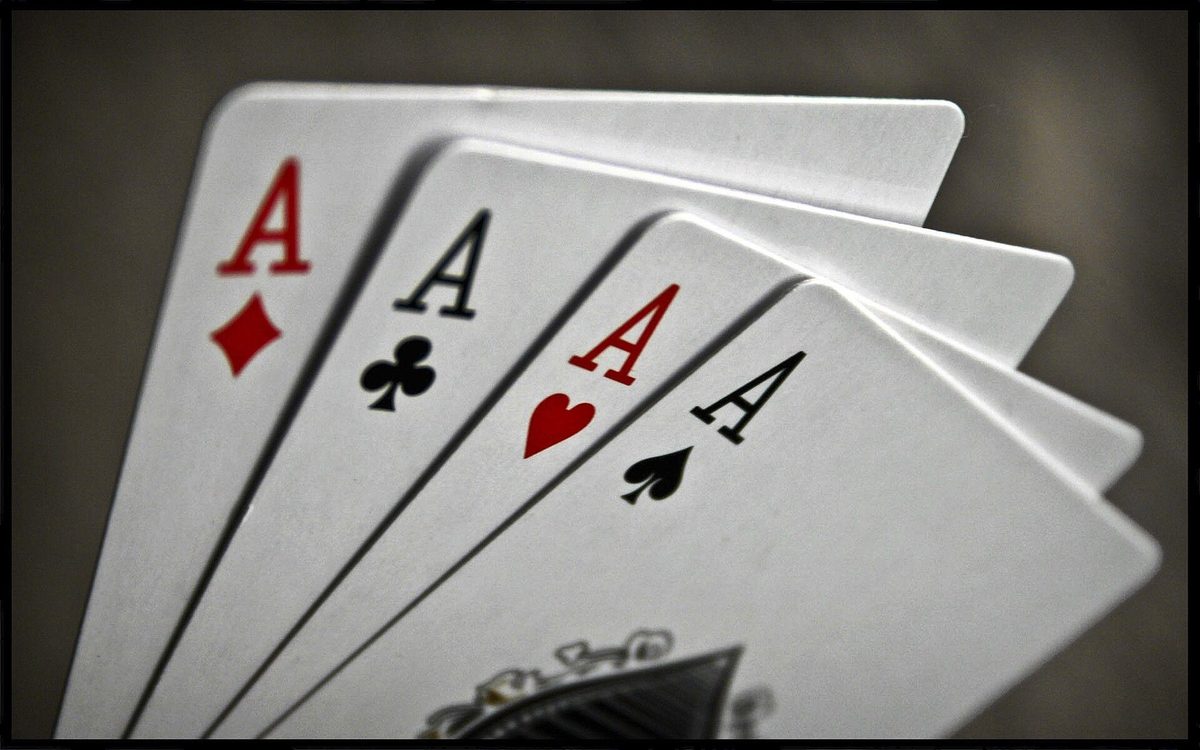
Montana does have a space for certain card games played in public with minimal prizes. The Gambling Control Division’s FAQ lists bridge, cribbage, hearts, pinochle, pitch, rummy, solo, and whist as social card games. Those games, when played in a public setting solely for prizes of minimal value, are not considered gambling activities and are not subject to regulation. Poker and panguingue are explicitly excluded. The Division’s FAQ is blunt: “Poker and panguingue are not social card games.” The administrative-rule compilation echoes that, noting that except for poker and panguingue and their approved variations, an authorized card game played solely for prizes of minimal value is considered social.
That means the social-card-game name cannot protect a Tuesday-night poker league at a tavern or a charity poker run, even if the participants agree to keep the buy-in tiny. The statute draws the line by the name of the game, not by the atmosphere. The same FAQ that blesses a minimal-stakes pinochle tournament offers no safe harbor for Texas hold’em.
Poker runs and Calcutta pools require the missing rule text
The Gambling Control Division maintains a subchapter specifically for poker runs and another specifically for Calcutta pools. Both activities show up on the Division’s list of regulated gambling. The FAQ and quick-reference pages do not set out the operative text of those subchapters, so the precise conditions have to be read in the rules themselves: who may run a poker run, whether the proceeds must benefit a nonprofit, what prize caps apply, whether an organizer may retain a percentage. The same gaps appear for Calcutta pools under section 23-5-222, MCA. The cash-basis rule generally requires gambling to be played with cash paid in full before play and prohibits extending credit, yet it singles out Calcutta pools as an exception—payment may be made by cash, check, electronic check, or debit card. That exception tells you the activity is regulated enough to need a carve-out, but it does not fill in the rest of the structure.
Anyone organizing a poker run or a Calcutta auction should pull the full administrative rule and the governing statute from the Montana Secretary of State’s rule portal or the Legislature’s code site. Without that, statements about nonprofit eligibility, prize ceilings, or organizer compensation are guesswork.
Where to confirm before collecting money
The Montana Department of Justice’s Gambling Control Division regulates everything here except the state lottery and horse racing. The Division’s website publishes a FAQ that lists the social card games and makes the poker exclusion clear. It also houses the administrative rules, which cover the concrete requirements for sports pools, poker runs, and Calcutta pools. The cash-basis rule and the sports-pool licensing condition ensure that factual details—who is running the pool, where the entry money is collected, what kind of premises the event uses—are not legal technicalities; they are the determinative facts.
Before you print flyers for a poker run, take entry money for a Calcutta, or set up a March Madness bracket with a prize, identify which statutory category the activity falls under. Then read the current rule text. If the rule text is ambiguous, call the Division. The Division’s contact information is on its website. Whether a bar’s informal Super Bowl pool falls under the sports-pool licensing requirement is not spelled out in the Division’s FAQ and quick-reference guides. That alone should push any organizer toward a call to Helena before money changes hands.